Fire alarm monitoring is often misunderstood as a simple "someone answers when the panel signals" service. In reality, commercial monitoring is an operational discipline that combines signal processing, dispatch protocols, contact hierarchy management, and recordkeeping. If any step is poorly configured, you can see delayed response, false dispatches, or compliance gaps.
This guide explains the full flow from panel signal to response action, how monitoring differs from inspection and repair, and what facility teams should control at the policy level. Fire Protection Pro operates as a lead platform and connects owners to licensed monitoring partners, so this guidance is focused on owner-side execution and vendor coordination.
Scope and Definitions
In this context, monitoring means continuous receipt and handling of fire alarm signals from your protected premises, governed by the requirements in NFPA 72. Typical signal classes include alarm, supervisory, and trouble. Monitoring partners evaluate these events, execute predefined instructions, and document actions.
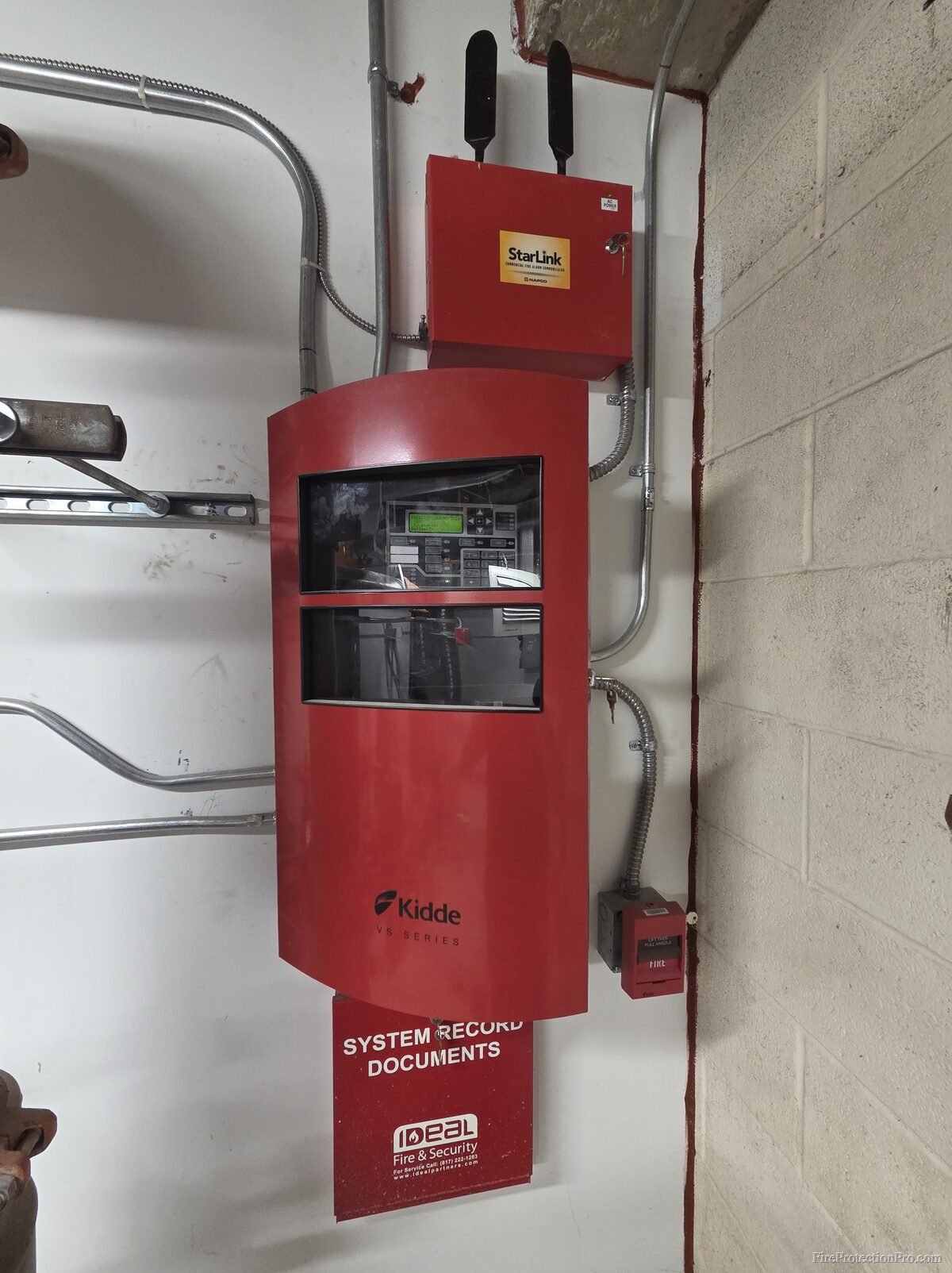
Monitoring does not replace required testing, maintenance, or repairs. A monitored account can still fail compliance if initiating devices are not tested, notification circuits are impaired, or reports are incomplete.
Signal Categories and Why They Matter
Alarm signals
Alarm signals indicate possible fire conditions requiring immediate response based on approved protocol. For many properties this means immediate notification to emergency services, then contact with designated building representatives.
Supervisory signals
Supervisory conditions usually indicate system state changes that can affect readiness, such as valve tamper, pressure deviation, or other monitored conditions. These events are usually escalated to property contacts for prompt corrective action.
Trouble signals
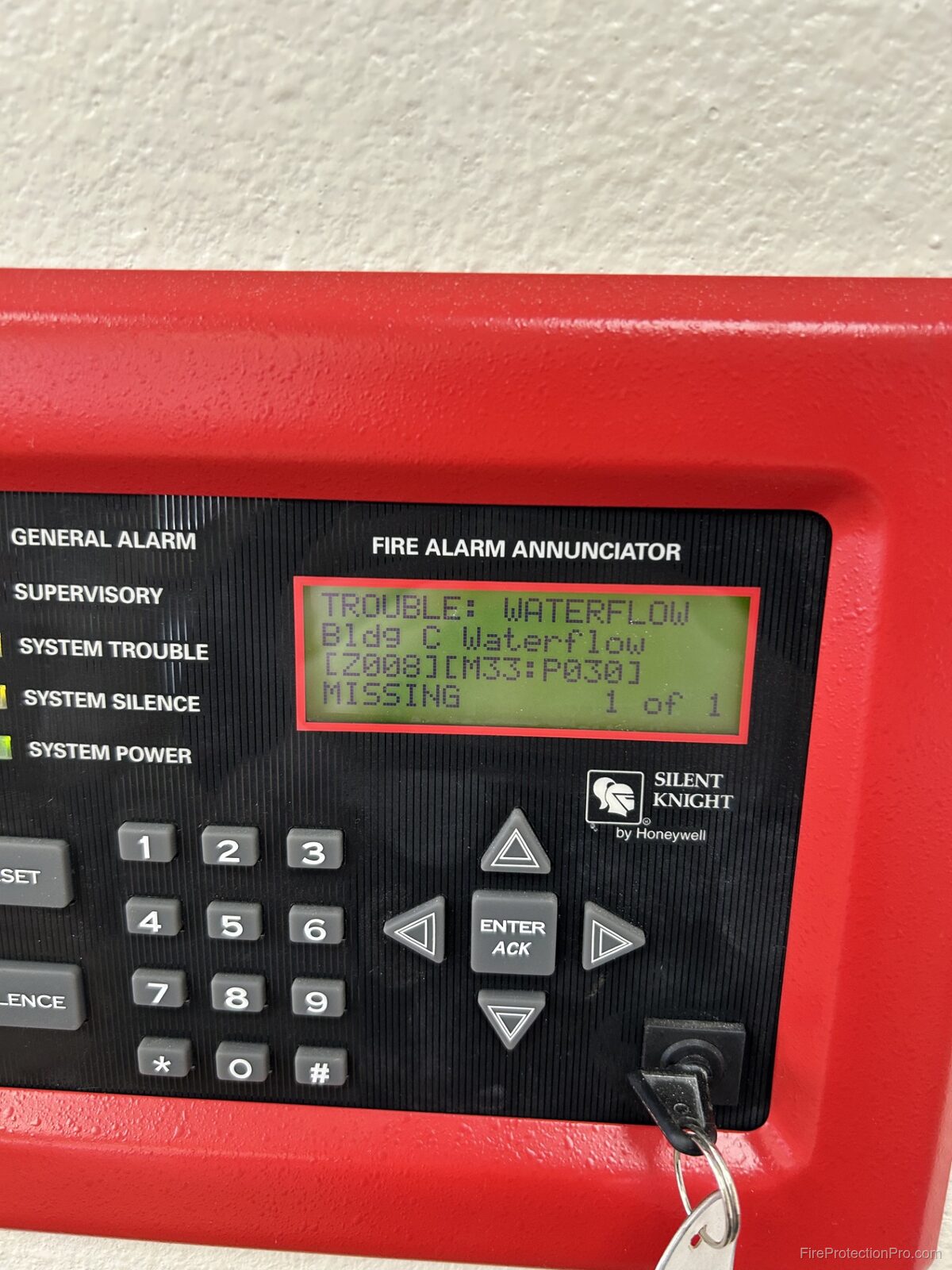
Trouble conditions indicate equipment issues such as communication faults, circuit faults, power issues, or panel component concerns. Trouble events require maintenance response and should be tracked to closeout, because unresolved trouble conditions can degrade reliability during a real event.
Typical Monitoring Workflow
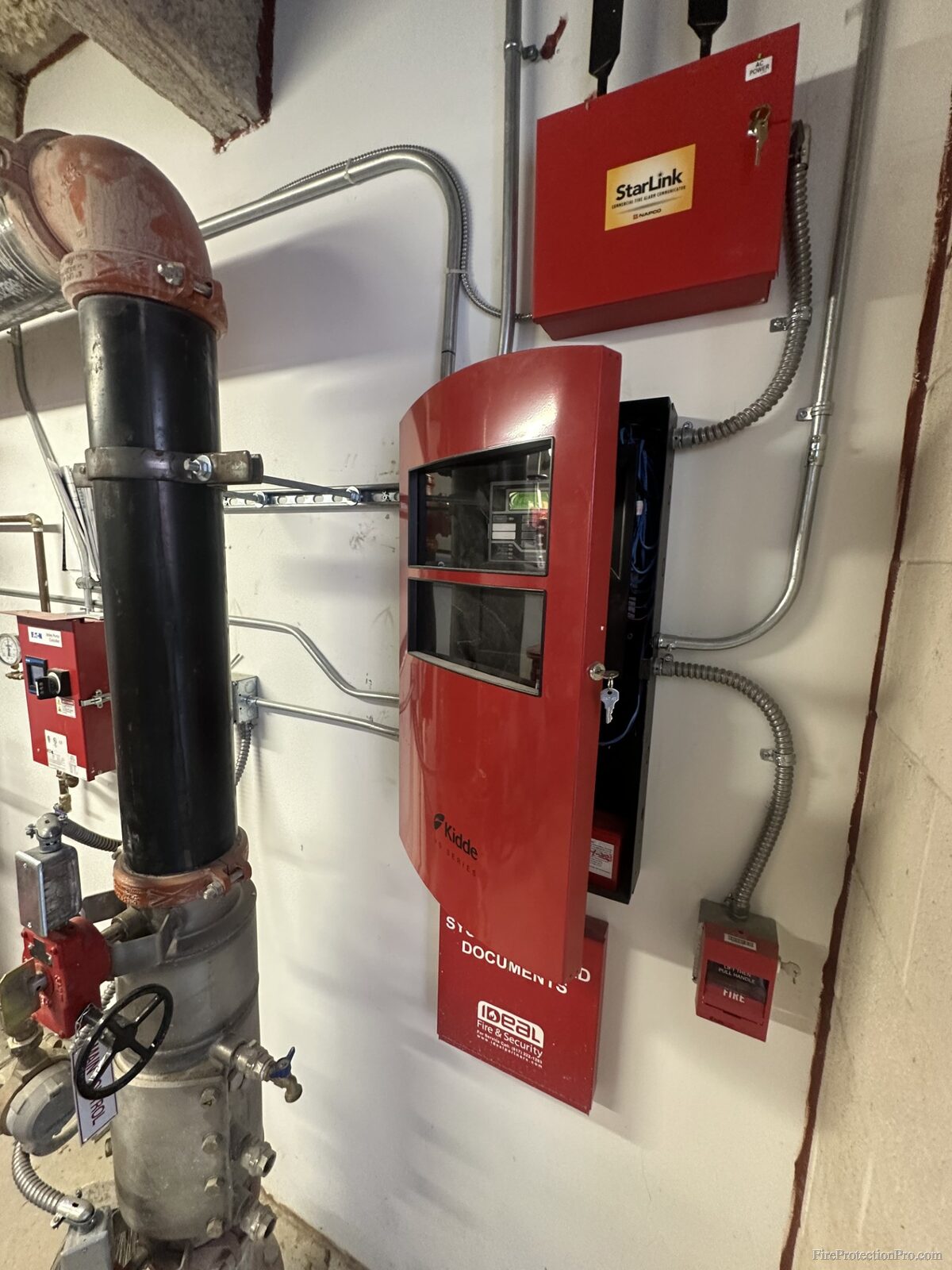
- Signal is received from communicator path.
- Operator classifies event type and account profile.
- Dispatch or callout protocol is executed per account instructions.
- Escalation path is followed if primary contacts do not respond.
- All actions are timestamped and logged for audit and incident review.
The key operational control is the account instruction sheet. If contact hierarchy, keyholder instructions, or dispatch assumptions are outdated, execution quality declines even when the monitoring center performs correctly.
Buildings still on POTS copper lines for alarm communication face carrier sunset deadlines within the next few years. For a comparison of cellular, IP, and dual-path replacement options with cost analysis, see the fire alarm communicators guide.
Monitoring vs Inspection vs Repair
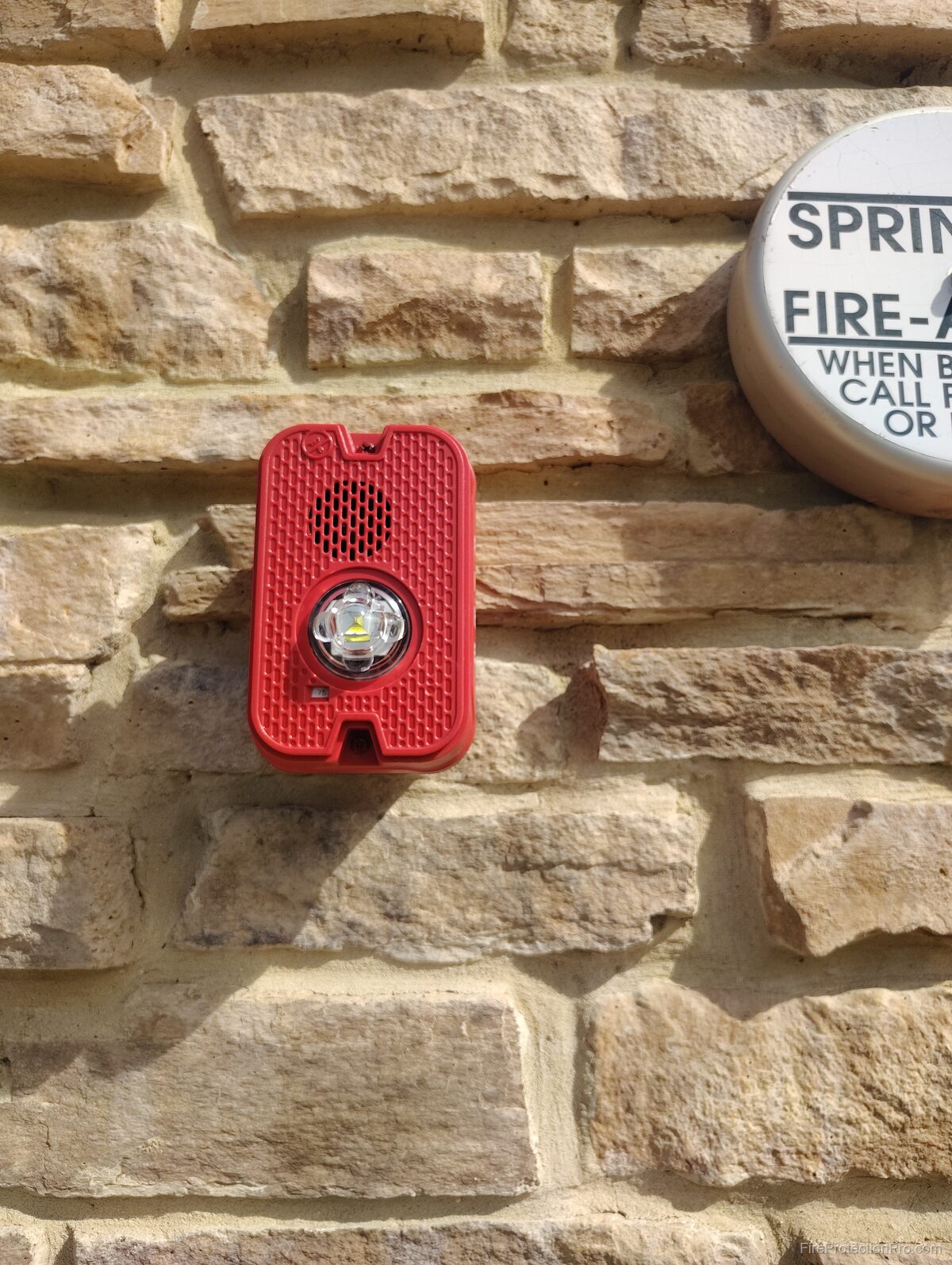
These three functions should be managed together but never confused.
- Monitoring. Handles live events and notifications.
- Inspection/testing. Confirms hardware and system functions at required intervals.
- Repair. Restores devices, wiring, communication paths, and panel reliability when faults are found.
A strong program links them with closed-loop feedback. Monitoring events should trigger inspection focus areas, and inspection findings should update monitoring instructions when site conditions change.
Compliance and Operational Caveats
Jurisdiction rules and adopted code editions can change by city and county. Some jurisdictions require specific notification timing, impairment communication, or record retention standards that are stricter than owner assumptions. Always validate with your AHJ and fire marshal.
In multi-tenant properties, define clear responsibility for panel ownership, communication pathways, and after-hours authorization. Ambiguity at this layer causes many delayed responses during overnight events. For a deeper look at the requirements, see this NFPA 72 reference guide.
Failure Modes to Watch
- Outdated call list with former staff or wrong escalation order.
- Communicator path instability after telecom changes.
- Panel signals not mapped to clear site action instructions.
- Repeated trouble conditions that never reach permanent corrective action.
- No periodic account review after tenant turnover or renovation.
If a site sees repeat false alarms, supervisory noise, or stale trouble conditions, perform a combined review of monitoring records, panel history, and service reports. Solving one layer in isolation rarely resolves recurring issues.
Practical Operator Checklist
- Review account instructions at least quarterly.
- Validate all contacts, phone numbers, and escalation sequence.
- Confirm communicator health and backup path status.
- Track all alarm, supervisory, and trouble events to closure.
- Link recurring events to corrective maintenance work orders.
- Document protocol changes and circulate to facility leadership.
How Partner Dispatch Fits a Lead Platform
Fire Protection Pro does not claim ownership of a central station operation. We connect commercial clients with licensed monitoring partners based on region, building profile, and operational needs. This model can work well when the handoff is controlled and expectations are documented.
For each deployment, make sure your partner agreement defines account setup timeline, dispatch logic, after-hours support, and reporting cadence. Treat onboarding as a technical project, not a procurement checkbox.
When to Call a Licensed Contractor or Monitoring Partner
Escalate immediately if you have frequent trouble signals, repeated communication failures, uncertain dispatch behavior, or unresolved supervisory conditions. Also escalate when occupancy changes, major renovation occurs, or your panel and communicator environment changes.
If you need monitoring support in Texas, find a licensed professional near you. We connect commercial clients with monitoring partners who align account protocols with local expectations and operating realities.
Continue reading
- NFPA 72 Monitoring Basics for Commercial Buildings
- NFPA 13 vs NFPA 25: What Commercial Owners Need to Know
- Commercial Sprinkler Inspection Checklist
Service pages