The fire sprinkler riser is where your building's water supply connects to the sprinkler system. It is the central control point for inspections, testing, and emergency access. If you own or manage a commercial property with a sprinkler system, the riser room is where most contractor visits start and where most compliance issues surface.
This guide covers what a riser includes, what inspectors look for, and what problems to watch for between service visits.
What Is a Fire Sprinkler Riser?
A fire sprinkler riser is the vertical pipe assembly that connects the building's water supply to the fire sprinkler distribution piping. It is typically located in a dedicated riser room, mechanical closet, or utility area near the building's main water entry point.
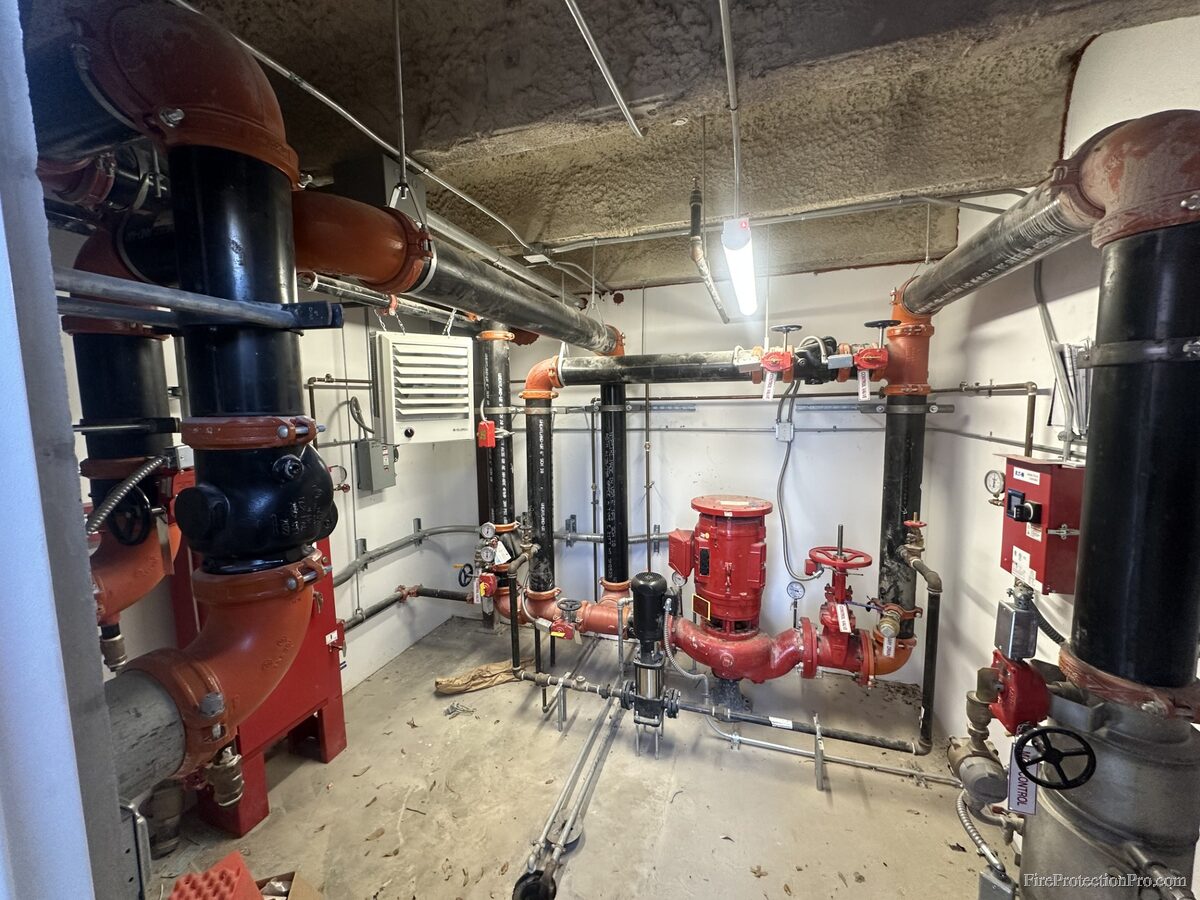
The riser is not just a pipe. It is a collection of valves, gauges, drains, and alarm devices assembled in a specific arrangement required by NFPA 13 sprinkler installation standards. Each component serves a testing or operational purpose, and all of them factor into annual inspections.
Key Riser Components
A typical commercial sprinkler riser includes the following:
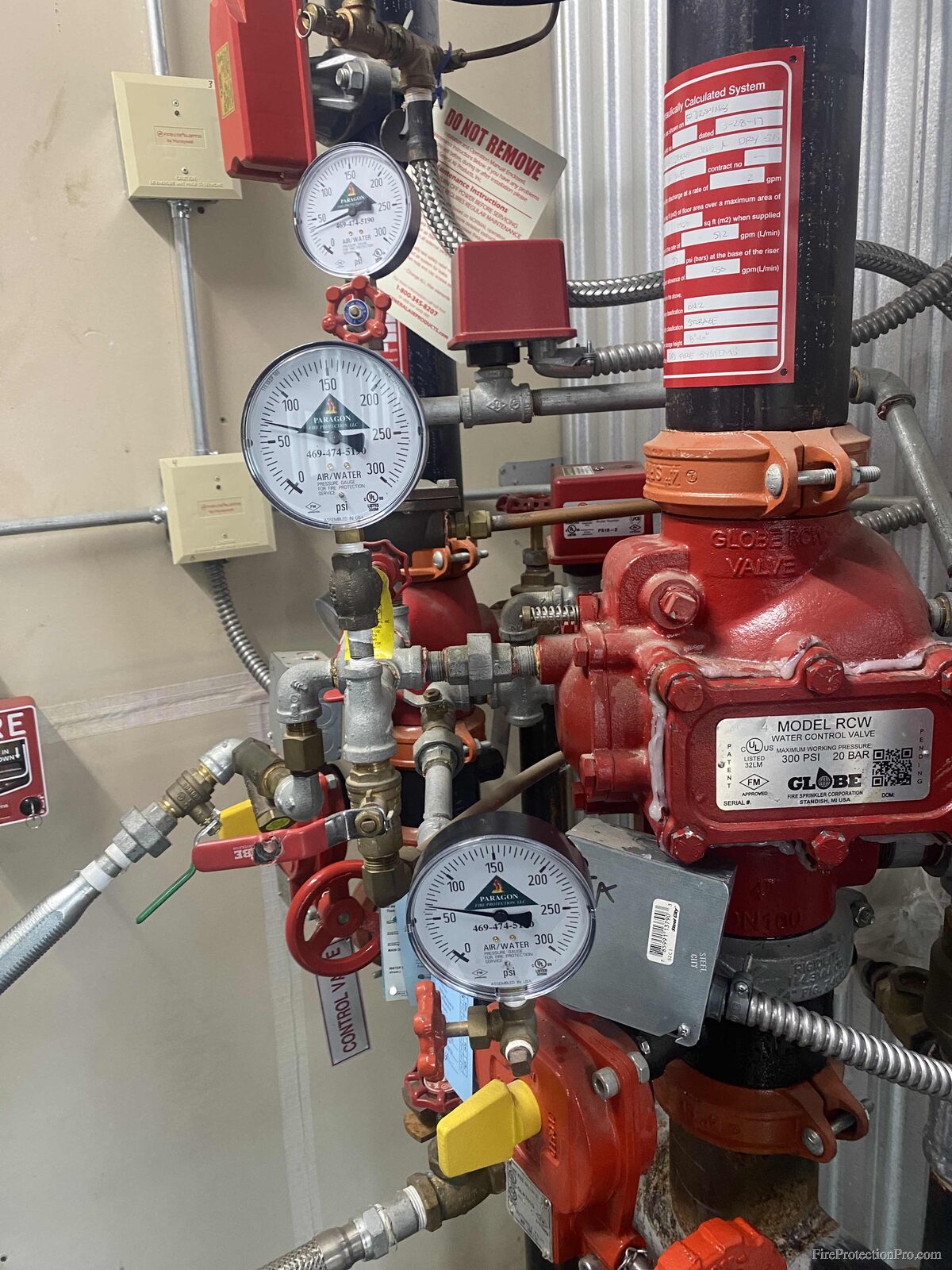
- Main control valve (OS&Y or PIV). Controls water flow to the entire sprinkler system. Must remain open at all times. Inspectors verify the valve position and confirm tamper supervision.
- Alarm check valve or backflow preventer. Prevents reverse flow and activates the water motor gong or electric alarm when water flows. The type depends on your system design and local requirements.
- System pressure gauges. Show supply-side and system-side pressure. Inspectors compare readings to baseline values. A significant drop may indicate a leak or impairment.
- Main drain valve and test connection. Used during inspections to verify adequate water supply and flow. The main drain test is one of the most common quarterly inspection tasks under NFPA 25.
- Inspector's test valve. Located at the most remote point from the riser (not at the riser itself), it simulates a single sprinkler flowing to confirm alarm activation and signal transmission.
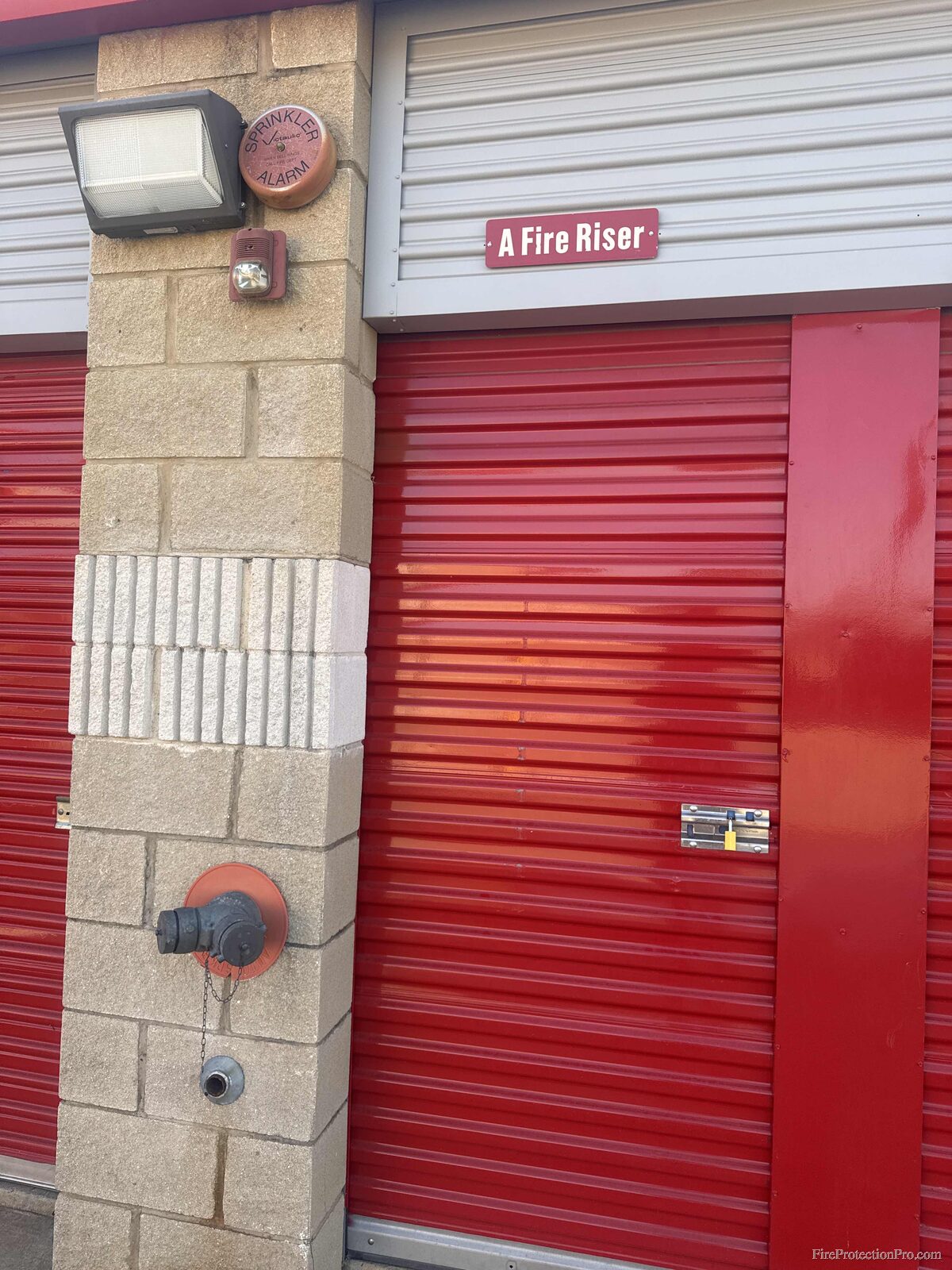
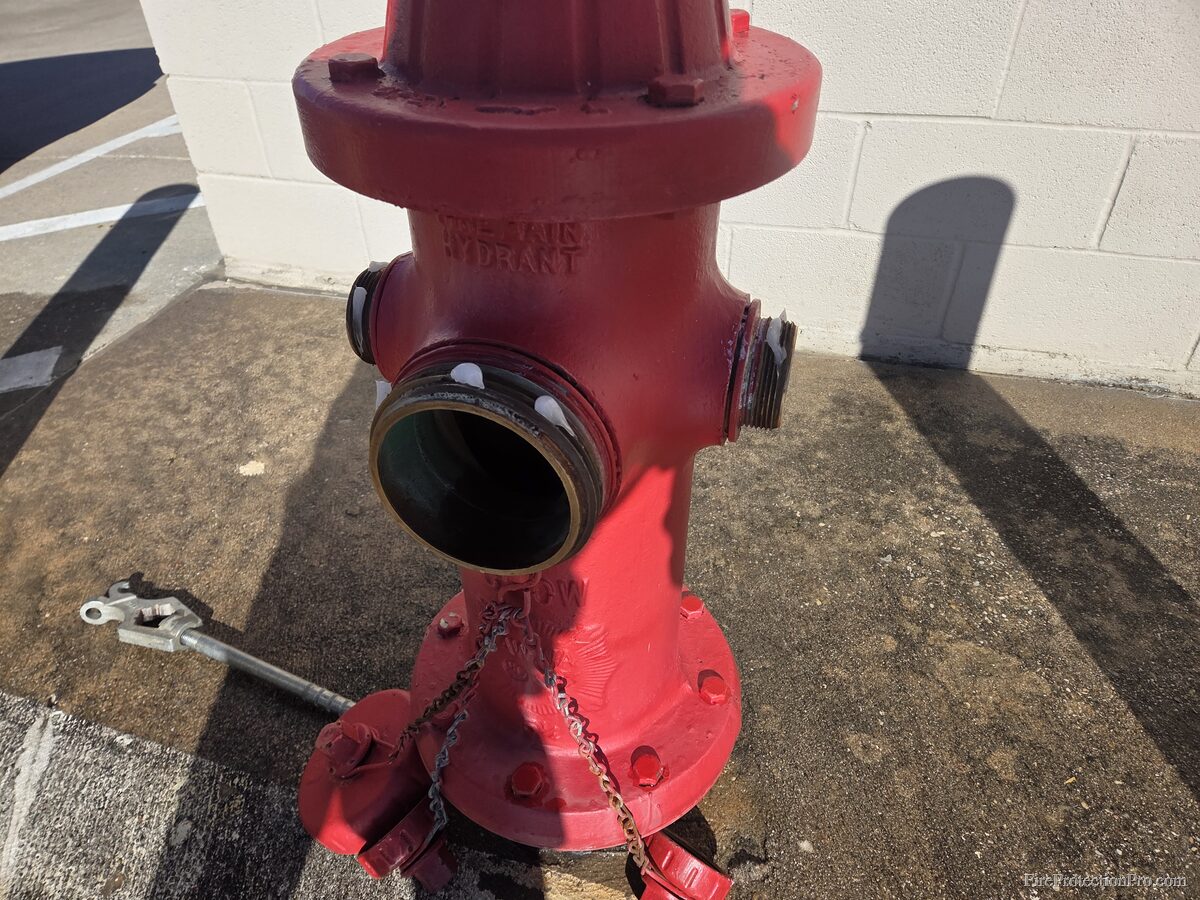
- Fire department connection (FDC). An exterior fitting that allows the fire department to supplement system pressure by pumping directly into the riser piping. Usually located on the building exterior near the riser room.
- Flow switch and tamper switch. Electronic devices that report water flow events and valve position changes to the fire alarm panel or monitoring station.
Riser Room Requirements
The riser room must remain accessible at all times. Storing materials in front of or around the riser is a common violation that inspectors document on nearly every visit where it occurs. Keep a minimum 36-inch clearance around all valves, drains, and gauges.
- Climate control. Riser rooms in unconditioned spaces (parking garages, exterior closets) need freeze protection. Wet sprinkler piping that freezes can burst and cause significant water damage. Maintain the room above 40 degrees F at all times.
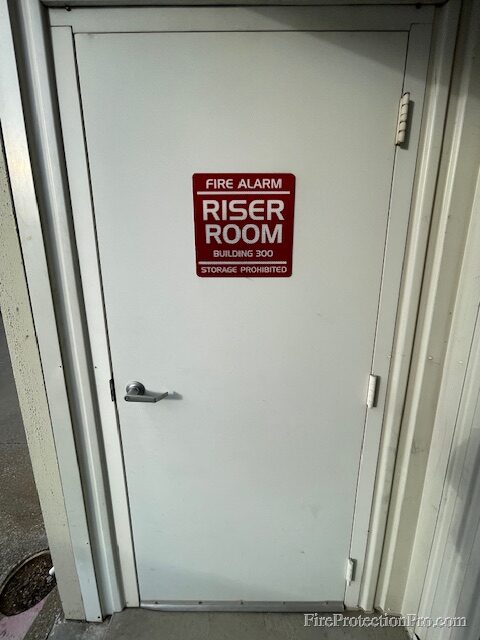
- Signage. The riser room door should be clearly marked so inspectors and emergency responders can locate it quickly. If your building has multiple risers, label each one with a zone or riser number that matches your system drawings.
- Lighting. Inspectors need adequate lighting to read gauge faces, check valve positions, and document conditions. A dark riser room slows inspections and increases the chance that problems go unnoticed.
- Accessibility. The room can be locked, but your fire protection contractor and the fire department must be able to gain access. A Knox Box or building key plan is typical. Do not use a lock that requires a specific person to be on-site.
- Floor drain. Main drain tests discharge water. A floor drain or path to exterior drainage prevents flooding during quarterly testing.
NFPA 25 Inspection Requirements
NFPA 25 governs the inspection, testing, and maintenance of water-based fire protection systems. Riser components have specific inspection frequencies:
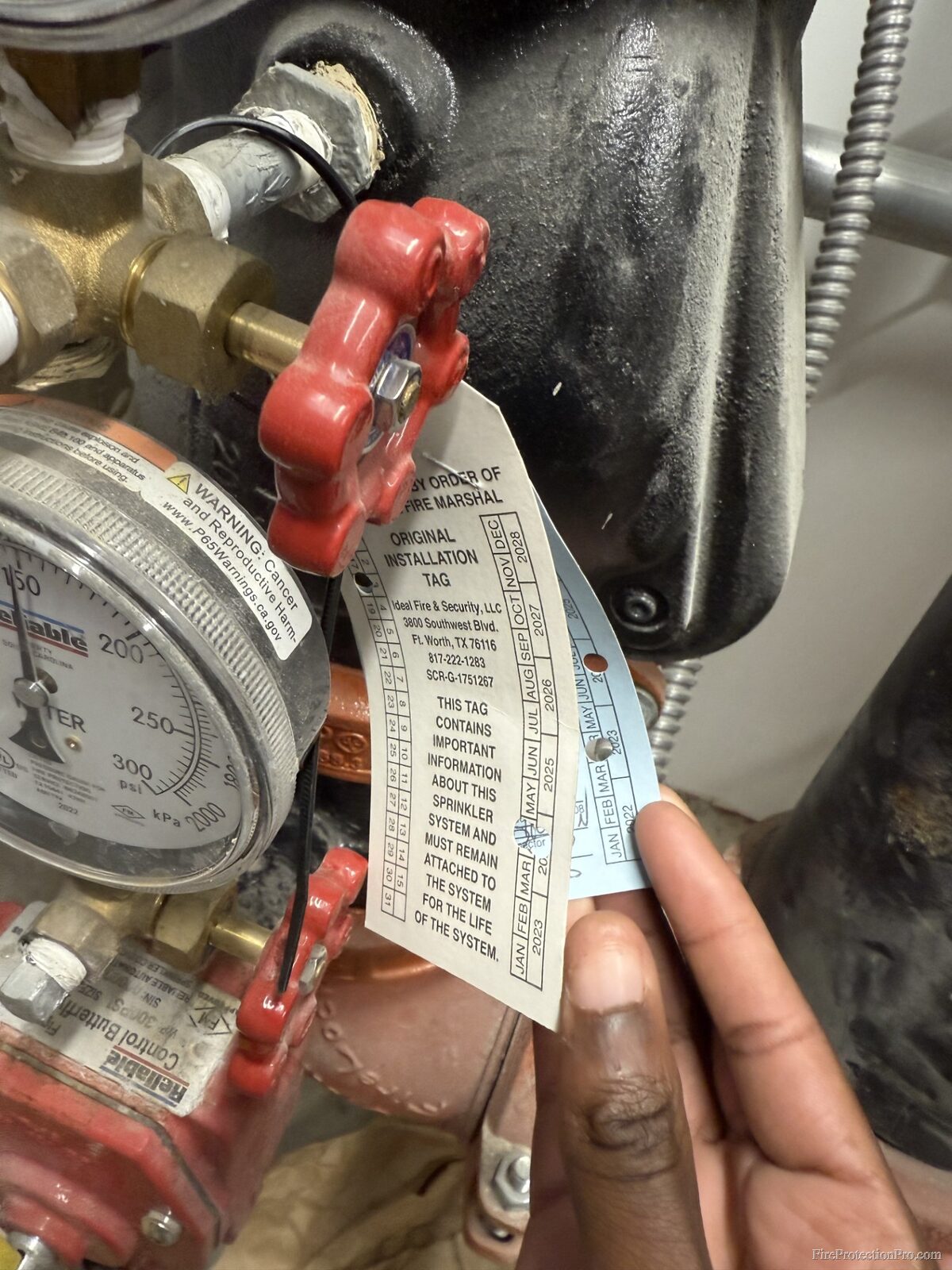
- Weekly/monthly. Valve position verification (confirm open and supervised). Gauge readings.
- Quarterly. Main drain test to verify water supply conditions. Alarm device testing. Flow switch and tamper switch functional checks.
- Annually. Full system inspection including all riser components, FDC condition and accessibility, gauge calibration check, and control valve operation.
- Five-year. Internal inspection of alarm check valves. FDC hydrostatic test. Obstruction investigation if conditions warrant.
Your inspection contractor should document each riser component individually. Generic "pass/fail" reports without component-level detail do not satisfy NFPA 25 documentation requirements. For a walkthrough of the full inspection visit from the property manager's perspective, see this guide on what to expect during a sprinkler inspection.
Common Riser Problems
Most riser issues develop gradually between inspections. Knowing the warning signs helps catch problems before they become impairments.
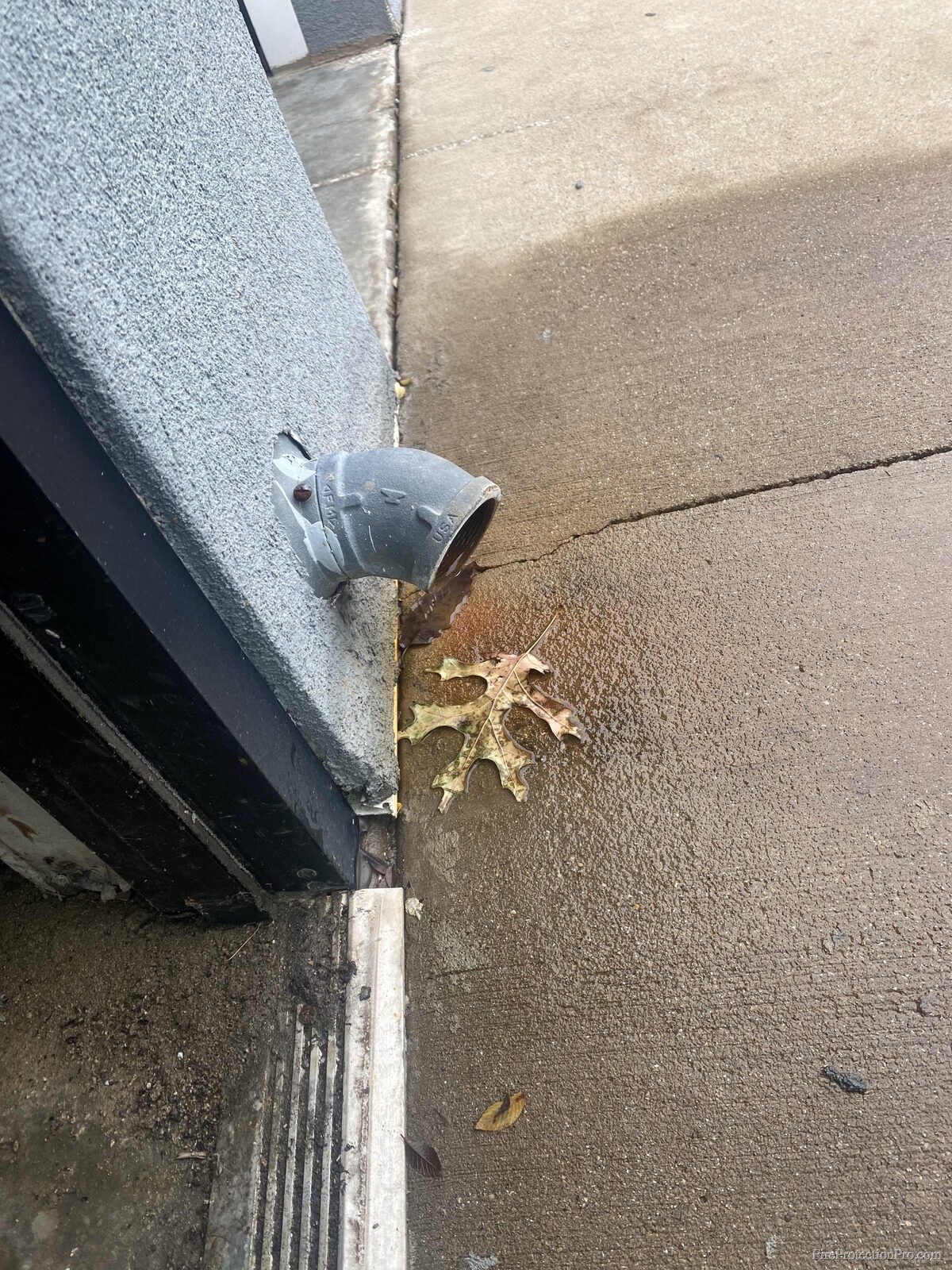
- Corrosion and scale. Visible rust on pipe surfaces, weeping at fittings, or discolored water during drain tests. Internal corrosion (MIC, or microbiologically influenced corrosion) is harder to detect and may require internal pipe inspections.
- Gauge drift or failure. Gauges that read zero, are stuck, or show erratic readings need replacement. NFPA 25 requires gauges to be replaced or recalibrated every five years.
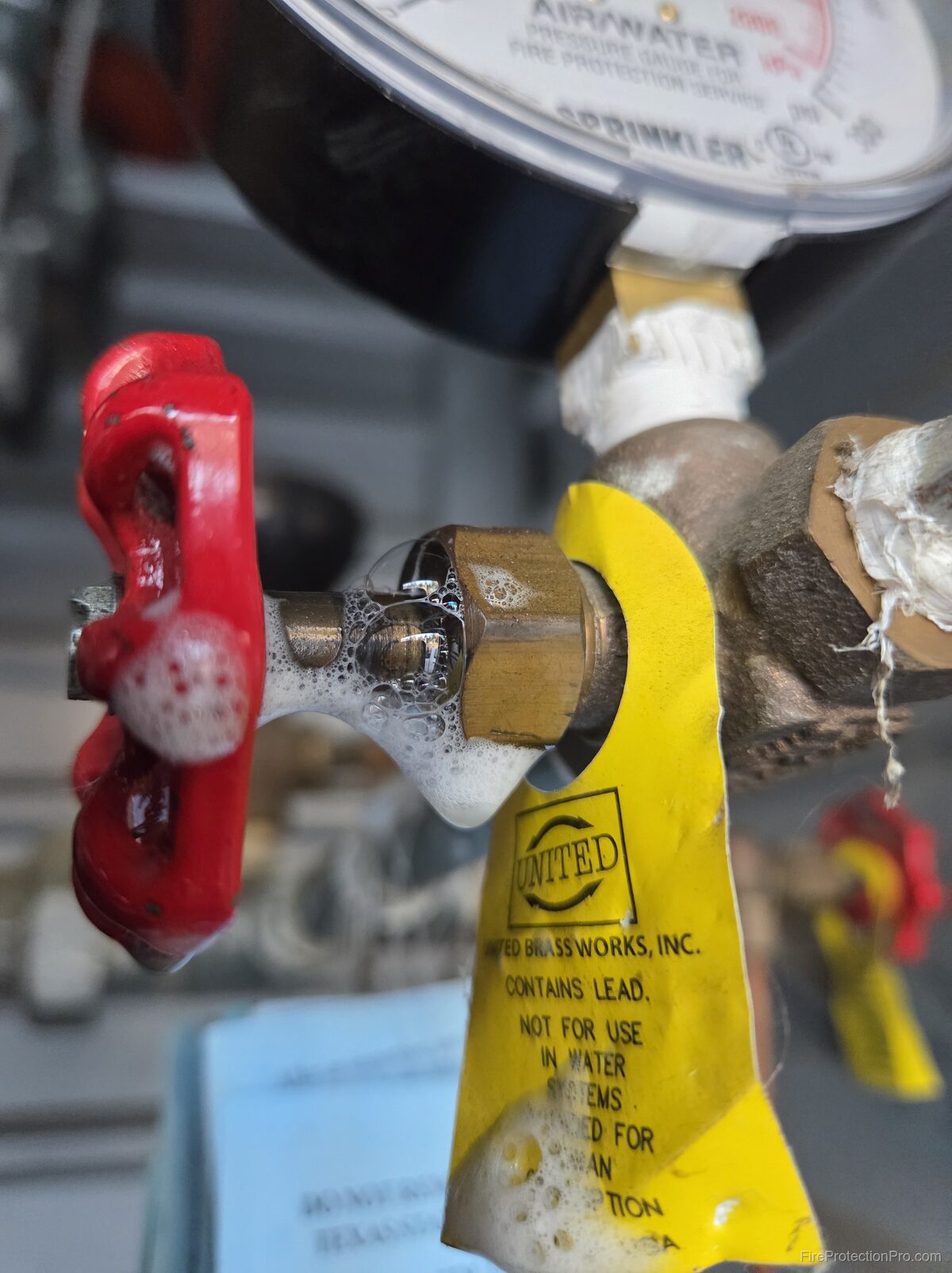
- Leaking drain or test valves. Slow drips at drain connections are common and often ignored. Over time they cause floor damage, corrosion on nearby components, and mold issues in enclosed riser rooms.
- Closed or partially closed control valves. A control valve in anything other than the fully open position is a system impairment. Tamper switches should alarm on any valve movement, but verify this during testing.
- Painted-over valves. Building maintenance crews sometimes paint riser components during general upkeep. Paint on valve stems, handwheels, or gauge faces can prevent proper operation and obscure readings. Inspectors will flag this.
- Missing or damaged signage. Riser room door signs, valve identification tags, and system information placards get removed during renovations or simply deteriorate. Missing signage is a documentation deficiency that shows up on inspection reports.
- Obstructed FDC. Caps missing, threads damaged, or vegetation/debris blocking access. Fire departments cannot supplement pressure through a compromised FDC.
- Leaking OS&Y packing. The packing gland around the OS&Y valve stem can develop slow leaks over time. A small drip may seem minor, but it causes corrosion on the valve body and surrounding piping if left unaddressed.
Sprinkler Riser vs Standpipe Riser
Sprinkler risers and standpipe risers serve different purposes, though they can share the same pipe in a combined system.
- Sprinkler riser. Feeds automatic sprinkler heads throughout the building. Water flows when a head activates from heat exposure. Governed by NFPA 13 (installation) and NFPA 25 (inspection and maintenance).
- Standpipe riser. Feeds hose connections on each floor for manual firefighting use. Firefighters connect hose lines to standpipe outlets during operations. Governed by NFPA 14 standpipe system classes and pressure requirements.
- Combined system. Many commercial buildings use a combined riser that serves both sprinkler heads and standpipe hose connections from a single water supply. The riser assembly includes components for both systems, and inspections cover both NFPA 13/25 and NFPA 14 requirements.
If your building has a standpipe system (common in buildings over three stories), confirm that your inspection contractor covers standpipe components separately. Standpipe hose valves, pressure-reducing valves, and cabinet conditions are distinct inspection items.
How Backflow Preventers Connect to the Riser
The backflow preventer testing and compliance guide covers the full testing process, but it helps to understand where the assembly fits physically. The backflow preventer (typically an RP or DC assembly) sits between the municipal water supply main and the sprinkler riser. Its job is to prevent stagnant or contaminated water in the sprinkler piping from flowing back into the potable water system.
Backflow assemblies require their own annual testing by a certified tester, separate from the sprinkler inspection. When a backflow test fails, the response process involves the water utility, not just your fire protection contractor. See the backflow failure steps guide for the full repair and retest workflow.
During sprinkler inspections, the contractor will typically note the backflow assembly condition and confirm it is not leaking or obstructing access to riser valves. However, the certified backflow test itself is a separate scope of work.
Frequently Asked Questions
What does a fire riser look like?
A fire riser is a vertical pipe (typically 4 to 8 inches in diameter) with an arrangement of valves, gauges, and connections mounted on or near it. It is usually painted red and located in a dedicated room or closet. The main control valve handwheel, pressure gauges, and main drain valve are the most visible components.
How often is a fire riser inspected?
Valve positions and gauge readings should be checked weekly or monthly. Main drain tests and alarm device tests are quarterly. A full inspection of all riser components is annual. Internal valve inspections and FDC hydrostatic tests happen every five years. Your inspection checklist should break these out by frequency.
Can I lock the riser room?
Yes, but the fire department and your inspection contractor must be able to access it without calling you. A Knox Box, building master key system, or key switch accessible to emergency responders is standard. Check your local fire marshal's requirements for approved access methods.
What happens if the main drain test shows low pressure?
A significant pressure drop compared to previous test results may indicate a partially closed valve, a supply-side issue from the municipal water system, or internal obstruction in the piping. Your contractor should investigate the cause before the next scheduled test. Do not assume it will resolve on its own.
Do I need a fire pump?
A fire pump is required when the municipal water supply cannot deliver enough pressure to the highest or most remote sprinkler heads in your building. This is determined during system design based on hydraulic calculations per NFPA 13. Most low-rise and mid-rise commercial buildings do not need one, but high-rise buildings almost always do. Your fire protection engineer or contractor can confirm based on a flow test and your system layout.
When to Call a Contractor
Contact your fire protection contractor if you notice any of the following: a closed or partially closed control valve, water leaking from the riser or drain connections, gauges showing abnormal pressure, missing FDC caps, or any alarm activation you cannot explain. These are not items to monitor and revisit later. Each one may represent an active system impairment.
For commercial sprinkler inspection and riser maintenance in Texas, find a licensed professional near you. We connect commercial property owners with certified contractors who handle inspection, repair, and compliance documentation.
Continue reading
- Commercial Sprinkler Inspection Checklist
- NFPA 13 vs NFPA 25: What Commercial Owners Need to Know
- Backflow Failure Steps for Fire Sprinkler Systems
Service pages